

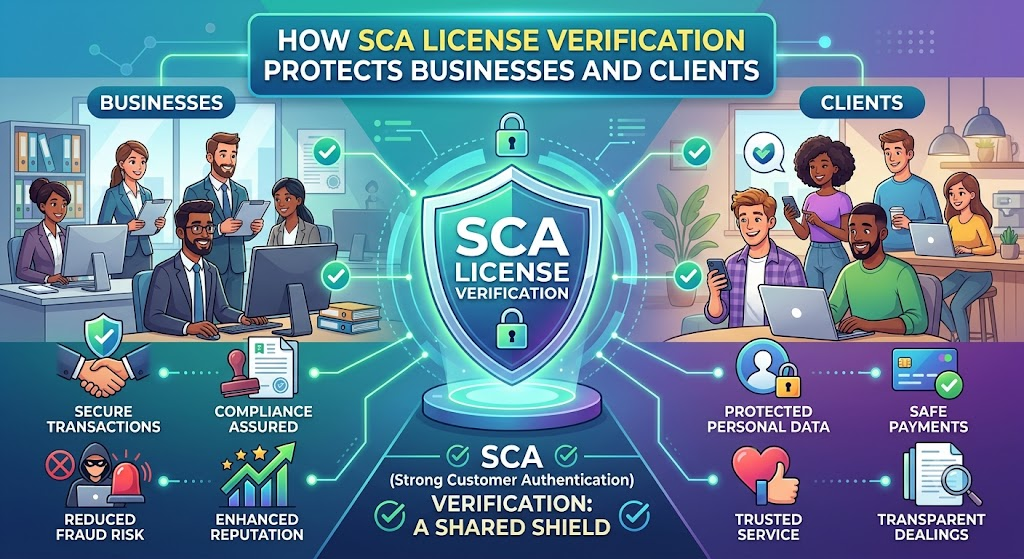
Understanding the Importance of SCA License Verification
Every business that operates within regulated industries has a responsibility to follow legal requirements while maintaining the trust of its clients. One of the most important ways to achieve this is through proper SCA license verification, which confirms that a security service provider or professional has the required authorization to perform regulated work. Verification helps prevent businesses from unknowingly hiring individuals or companies that do not meet legal standards. It also creates confidence among customers who expect services to be delivered by qualified and compliant professionals. As regulations continue to evolve, organizations must treat license verification as an essential part of their compliance strategy rather than a simple administrative task. We understand that careful verification strengthens both operational integrity and long term business success.
What SCA License Verification Means
SCA license verification is the process of confirming that a security company or security professional holds a valid license issued by the Security Industry Authority or another relevant regulatory body depending on the jurisdiction. This verification ensures that the license remains active, authentic, and suitable for the services being offered. It also helps determine whether there are any restrictions or issues associated with the license that could affect business operations. Organizations that verify licenses before engaging with security providers significantly reduce the chances of regulatory violations. Clients also gain reassurance knowing that the professionals protecting their people and property have met required standards. Proper verification supports transparency throughout the entire business relationship.
Why Regulatory Compliance Matters
Regulatory compliance protects organizations from legal penalties, financial losses, and damage to their reputation. Security related industries are particularly sensitive because they often involve public safety, confidential information, and physical assets. Hiring an unlicensed provider may expose businesses to investigations, contractual disputes, or insurance complications. Compliance demonstrates that an organization values ethical business practices and follows established legal frameworks. Businesses that consistently verify licenses are better prepared for audits and regulatory reviews. This proactive approach helps maintain smooth operations while reducing unnecessary risks.
Protecting Businesses from Legal Risks
One of the greatest advantages of SCA license verification is reducing legal exposure. Businesses that fail to verify licenses may unintentionally work with unauthorized providers, creating liability for both parties. Regulatory authorities may impose fines or other penalties if organizations are found using unlicensed personnel for regulated services. Legal disputes can also arise if clients discover that services were delivered by individuals without proper authorization. Conducting verification before contracts begin creates a strong foundation for compliance and accountability. This preventive measure saves organizations considerable time, money, and operational disruption.
Building Client Confidence Through Transparency
Trust is one of the most valuable assets any business can develop. Clients expect companies to work only with qualified professionals who meet industry standards. When organizations verify SCA licenses before providing services, they demonstrate transparency and professionalism from the beginning of the relationship. Customers appreciate knowing that their security provider has been properly vetted and complies with regulatory expectations. This confidence often leads to stronger customer relationships, higher satisfaction, and greater client retention. We believe transparency is a key factor in maintaining lasting business partnerships.
Supporting Better Risk Management
Every organization faces operational risks that require careful management. SCA license verification becomes an important part of a broader risk management framework by identifying potential compliance concerns before they become larger problems. Businesses that conduct routine verification can detect expired licenses, suspended authorizations, or inaccurate information early. This allows corrective action to be taken before services are interrupted or regulations are breached. Consistent verification also supports internal governance by creating documented evidence of compliance efforts. Effective risk management depends on taking preventive measures rather than reacting after issues occur.
Enhancing Corporate Reputation
A company’s reputation is influenced by every decision it makes regarding compliance and professional standards. Organizations that consistently verify licenses demonstrate responsibility and commitment to legal requirements. Clients, investors, and business partners often prefer working with companies that prioritize compliance because it reflects reliability and accountability. A strong reputation also creates opportunities for long term business growth through positive referrals and repeat business. In competitive industries, maintaining a reputation for regulatory excellence can become a significant advantage. Businesses that neglect verification may face reputational damage that takes years to repair.
Improving Hiring and Contractor Selection
Recruitment and contractor management become much more effective when license verification is integrated into the selection process. Employers can confidently identify qualified professionals who meet legal requirements before employment or contract agreements are finalized. This reduces the likelihood of hiring individuals who lack the necessary credentials for regulated work. Verification also simplifies onboarding by ensuring documentation is complete from the beginning. Human resource teams benefit from standardized verification procedures that improve consistency across hiring decisions. Careful screening contributes to a stronger and more dependable workforce.
Preventing Fraud and Misrepresentation
Unfortunately, fraudulent documentation and false claims remain challenges across many regulated industries. SCA license verification provides an effective method of identifying inaccurate or misleading information before business relationships are established. Businesses that rely solely on submitted documents without independent verification may unknowingly expose themselves to unnecessary risks. Confirming license details through official channels helps prevent identity fraud and unauthorized representation. This additional layer of verification strengthens due diligence while protecting organizational interests. Clients also benefit because they receive services from verified and legitimate providers.
Strengthening Contract Compliance
Many commercial contracts require service providers to maintain valid regulatory licenses throughout the duration of the agreement. Failure to meet these requirements may result in contract termination or financial consequences. Regular SCA license verification ensures that businesses remain compliant with contractual obligations while reducing the risk of unexpected disruptions. Organizations can confidently demonstrate compliance if clients or auditors request supporting evidence. Ongoing verification also encourages service providers to maintain their credentials without interruption. This creates stronger contractual relationships built on accountability and trust.
The Role of Technology in License Verification
Modern technology has significantly improved the efficiency of compliance management. Digital verification systems allow businesses to confirm licensing information more quickly while reducing manual administrative work. Automated reminders can also notify organizations when licenses require renewal or additional review. Electronic record keeping simplifies audit preparation by maintaining organized compliance documentation. These technological improvements help businesses remain proactive rather than reactive in managing regulatory responsibilities. Keepers Compliance uses modern compliance practices to support organizations seeking efficient and reliable verification processes.
Why Ongoing Verification Is Essential
License verification should never be viewed as a one time activity completed only during onboarding. Licenses may expire, become suspended, or change status over time, making periodic verification equally important. Businesses that establish regular review schedules maintain stronger compliance while reducing operational uncertainty. Ongoing monitoring also demonstrates a continued commitment to legal and professional standards. Clients gain additional confidence when they know verification remains an active part of service quality management. Continuous oversight strengthens compliance across every stage of the business relationship.
How Professional Compliance Support Makes a Difference
Managing regulatory obligations internally can become increasingly complex as organizations grow. Professional compliance specialists provide structured processes that help businesses verify licenses accurately and consistently. They also stay informed about regulatory updates that may affect verification requirements or documentation standards. External compliance support reduces administrative pressure while improving accuracy across verification activities. Organizations benefit from expert guidance that minimizes compliance gaps and supports long term operational stability. Keepers Compliance works alongside businesses to simplify these responsibilities while maintaining high compliance standards.
Conclusion
SCA license verification plays a vital role in protecting both businesses and their clients by ensuring that only qualified and authorized professionals deliver regulated services. It reduces legal risks, strengthens compliance, supports better hiring decisions, prevents fraud, and builds lasting client trust. Organizations that prioritize regular verification create stronger operational foundations while protecting their reputation in competitive markets. Compliance is no longer simply about meeting regulations but about demonstrating professionalism, accountability, and commitment to quality service. By implementing thorough verification procedures, businesses position themselves for sustainable growth and stronger customer relationships. At Keepers Compliance, we are committed to helping organizations maintain reliable verification practices that protect their operations, their clients, and their future.